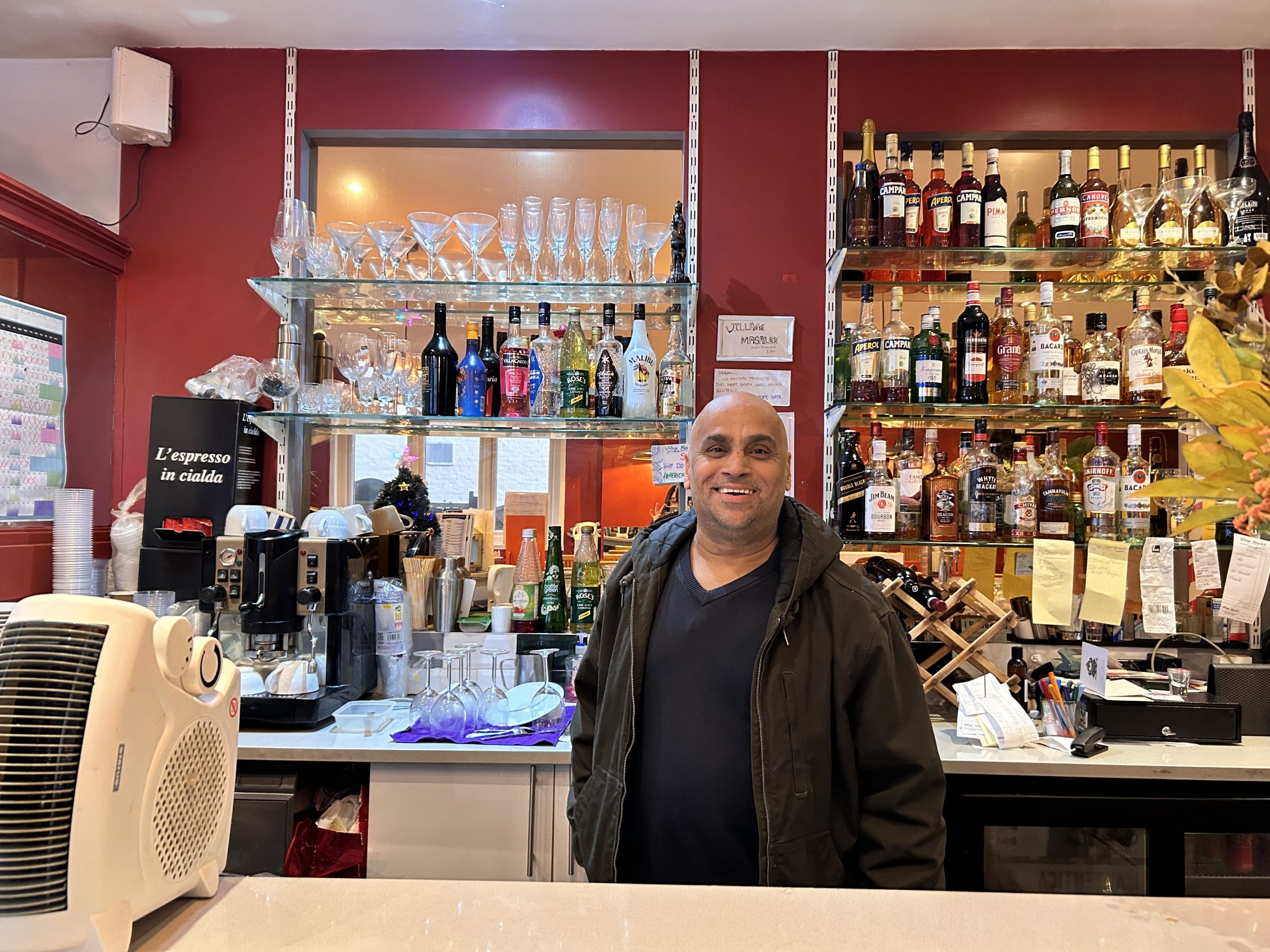
When Mahesh Mhatre moved from India to Tulse Hill, London with his young son and wife Dripti 20 years ago, he noticed the area’s dining scene was sparse.
Keen to give the locals a taste of home-cooked Indian food, they opened Village Masaleh in 2004.
It was meant to be authentically Indian, but just how authentic could it realistically be?
When SouthLondonLines (SLL) interviewed Mhatre, the word authenticity in relation to the restaurant’s food came up. Mhatre explained that he doesn’t change the dishes on the menu very often. As for the recipes, they are never changed. “It gets twisted,” Mhatre said, if you change dishes. “We don’t want it twisted, we want authenticity”.
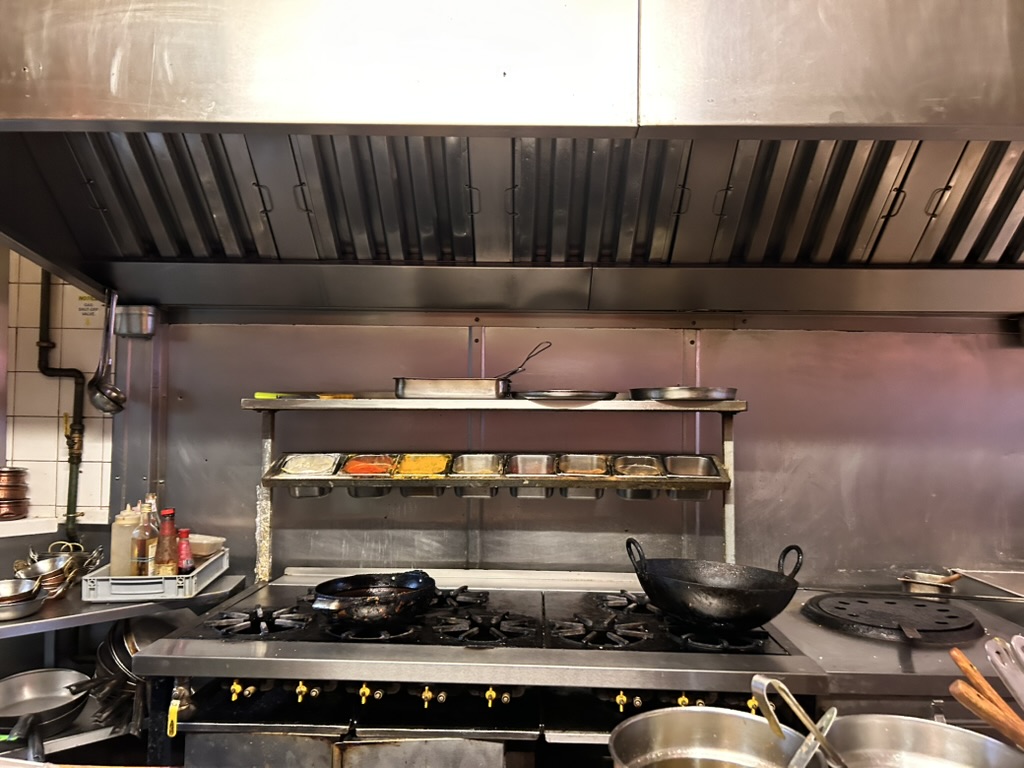
Village Masaleh certainly serves an authentic British Indian meal. It has the usual starters – a stack of freshly fried papadoms and homemade chutneys. And it has the popular classics – baltis, masalas, tandoori dishes, biryanis. Some of the ‘chef specials’ include karahi, a tomato-based curry dish, and korma, the British favourite.
Authenticity here at Village Masaleh means serving up Indian favourites that Brits go crazy for.
It seems to work.
Kiren Lall, 47, says she has been dining at Village Masaleh since it opened. “Their food is cooked from the heart,” she says. “Being a cook myself and of Indian origin…the flavours definitely take me home”.
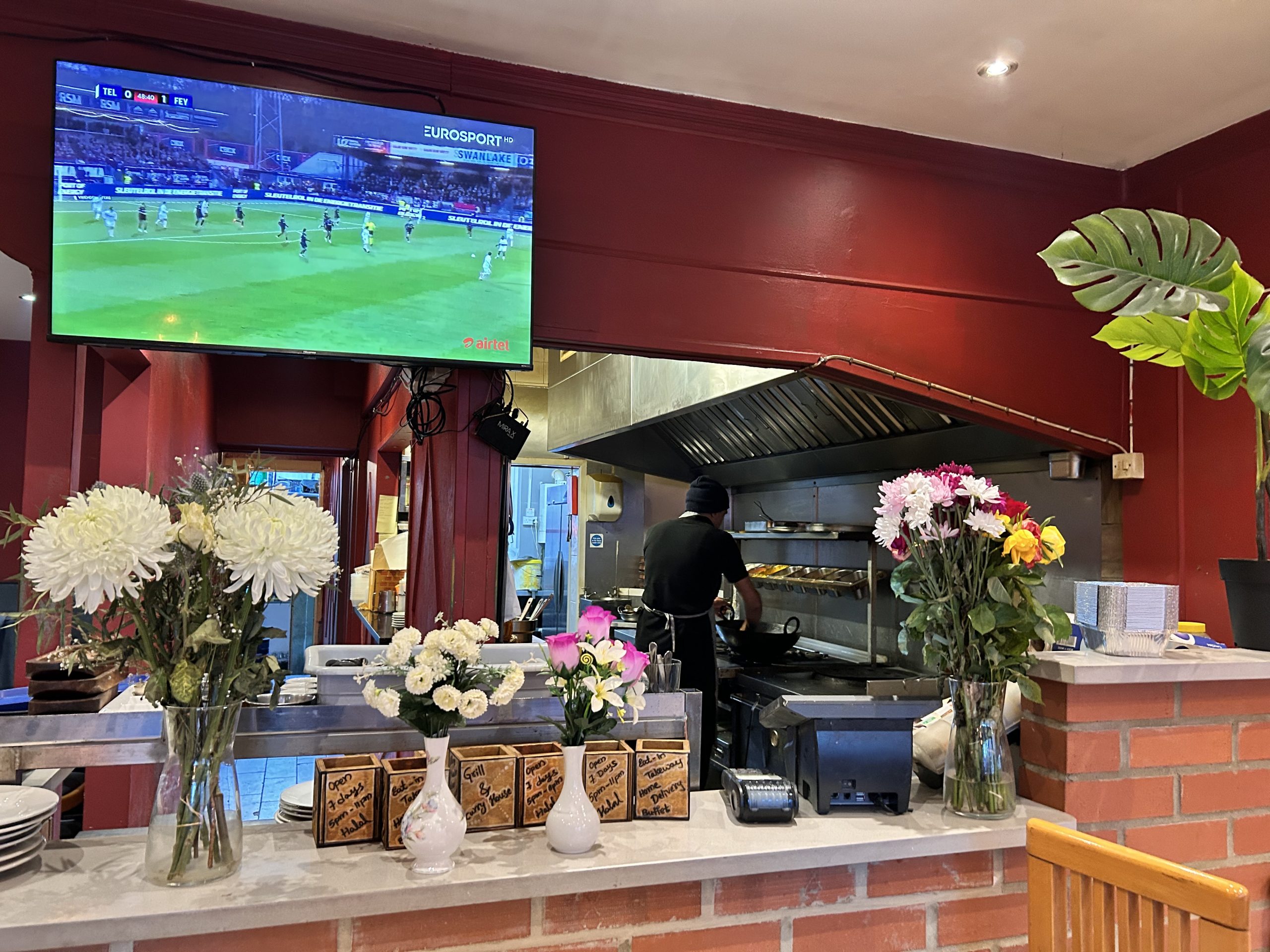
The restaurant’s family vibe is also a major factor in Village Masaleh’s success, he says. The whole operation feels like one big family, with the team working like a close-knit clan, starting with head chef Sameer, who has been working at Village Masaleh for many years. Most days, Sameer can be seen cooking away in the kitchen at the back of the restaurant.
It’s not just the crew. Many customers have also built relationships with Mahesh and Dripti. By some accounts, part of the enjoyment of dining at Village Masaleh is the sense of community.
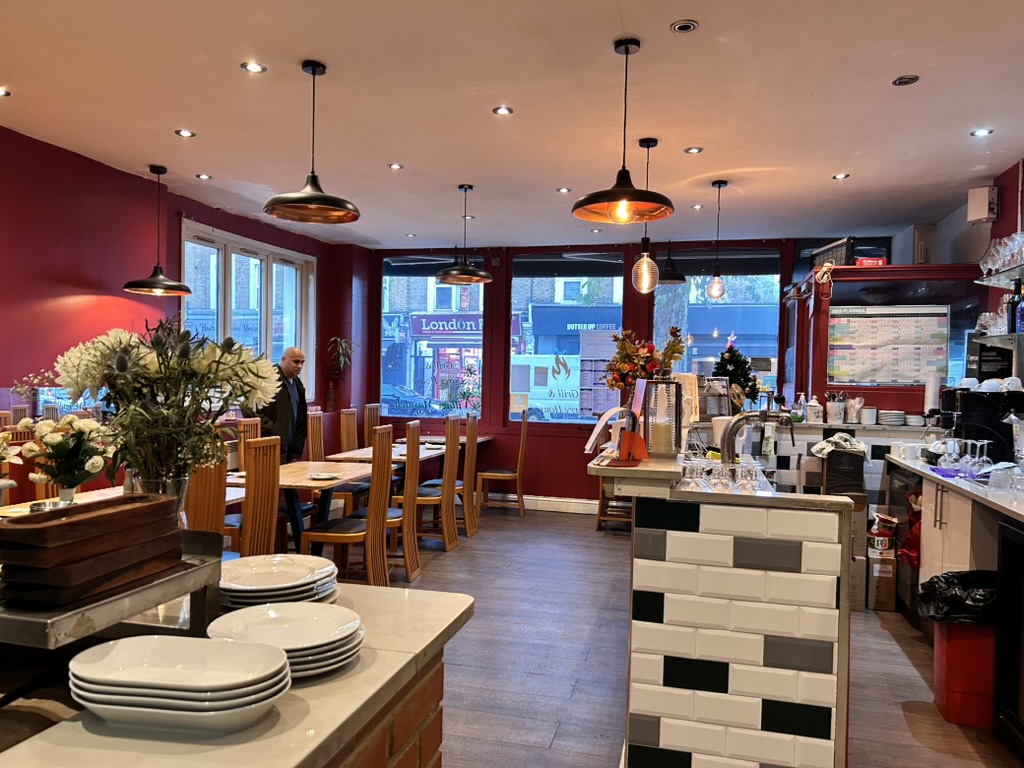
The restaurant is one of the few that emerged from the pandemic better than before. Before COVID, Village Masaleh was in a smaller venue, a few doors down from its current location. But afterwards, it got too busy to be able to stay where it was. The Mhatres moved to their current site, which is much larger and also has a beer garden. Now, they’re set up to host wedding parties and other large group events.
But Mahesh says that, for him and his staff, encounters with the regulars make the job enjoyable. “They are supporting us,” he says of longtime customers. The restaurant’s ethos, he says, is to return the favour and look after its clientele.
The restaurant could also be said to have kick-started a wave of diverse restaurants in the area. From Tam Saigon Kitchen, a Vietnamese restaurant, to Restaurante Castelo, which offers Portuguese food, Village Masaleh seems to use that old formula to connect with its community: the way to Tulse Hill’s heart is through its stomach.