Photo from FitNish Media/Unsplash
Southwark’s teenage play spaces are designed for boys by default and this needs to change, councillors have heard.
The borough needs to make parks and public spaces more welcoming to teenage girls and gender-diverse young people, according to a report by Make Space for Girls charity.
The report was presented to the council’s environment, community safety and engagement scrutiny commission meeting on October 15.
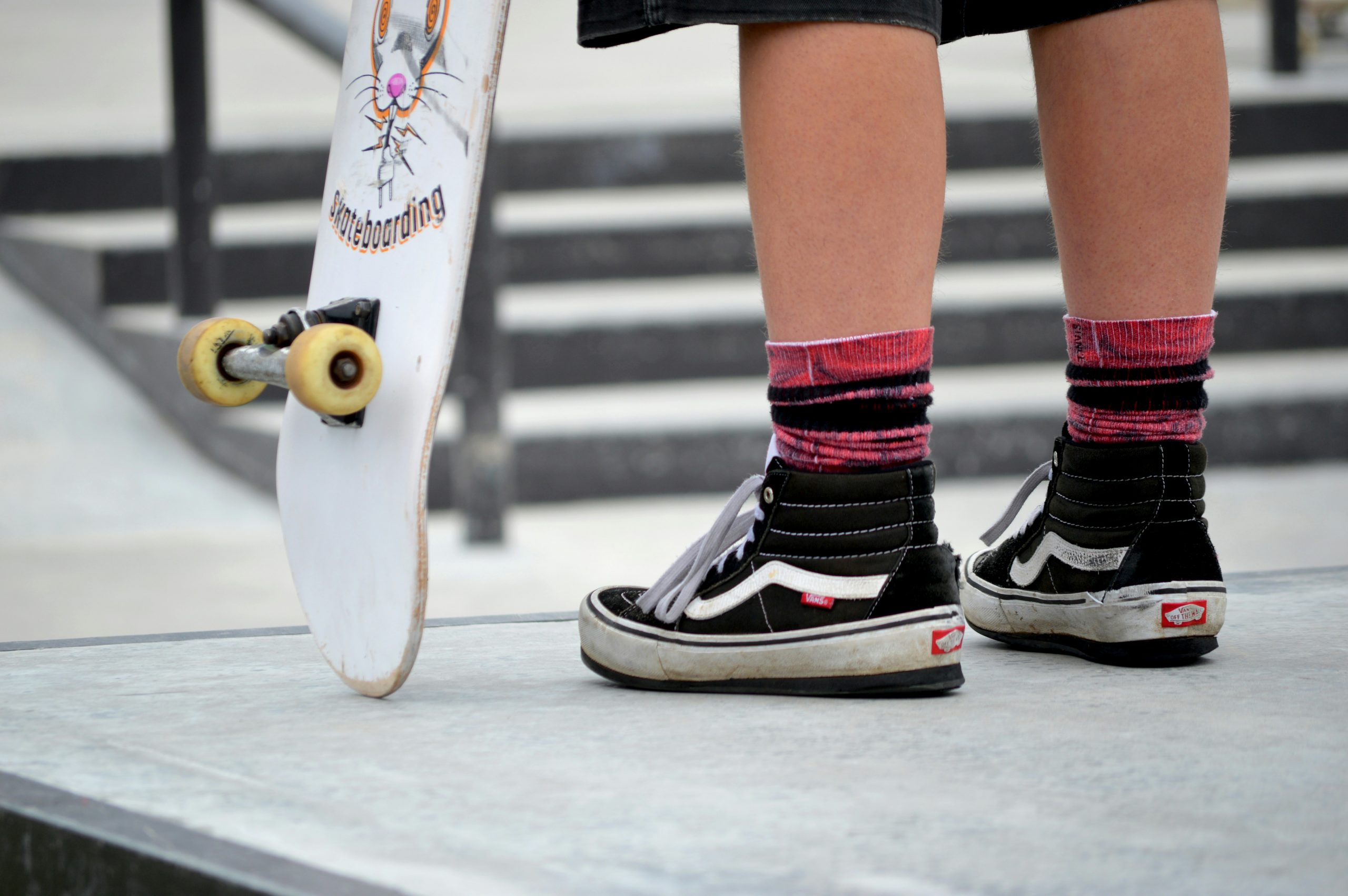
Nadine Peters, a trustee of Make Space for Girls, and Imogen Clark, an associate, said Southwark should move away from traditional multi-use games areas and skate parks, in which many girls feel unwelcome and out of place.
They said the issue was not that these spaces had deliberately been designed for boys, but that they often ended up being used mainly by them.
“You didn’t design your MUGAs to be attractive to boys. You didn’t design your skate parks… but that’s how they’ve ended up,” they said.
Peters ans Clark suggested instead that Southwark use a workshop model, which already exists in Essex. It would put in place seating pods and shelters, all-age swings, informal stages for performance, “places to hang out” and better sightlines, exits and lighting.
They stressed that being more welcoming to girls is not about “painting it pink” or excluding boys. Instead it’s about removing the barriers that stop girls from turning up.
Councillor Portia Mwangangye, cabinet member for leisure, parks and young people, said the council had already started consulting young girls on some park projects.
She said: “We actually did a piece of engagement with young girls… that’s one example of how we’ve been able to do it.”
Mwangangye said Southwark needed to apply this approach more widely across future play spaces.
“We need to make sure that we’re doing that across our play investment and our play portfolio and the work that we’re going to be doing with our playgrounds on estates as well,” she said.
The strategy will not only be used for playgrounds, but also an inclusive fitness area is going to be built by September, designed with young women and girls in mind in partnership with the Great Outdoor Gym Company.
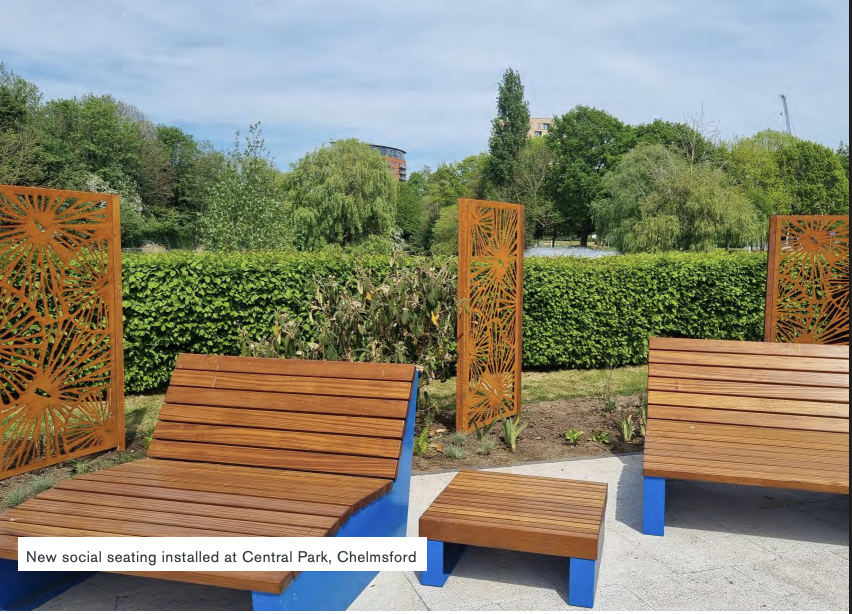
Make Space for Girls used Essex parks as an example of more inclusive public space design. Pic: Make Space for Girls
Mwangangye said good play spaces were especially important for young people living in more deprived areas, including those growing up in flats.
“It’s very important to me that young people who are living in spaces which are termed most deprived have those play areas because a lot of them live in flats,” she said. “I think it’s important to make sure that we are investing in those spaces.”
Another programme discussed in the meeting was the Streets for People programme—Southwark’s long-horizon plan to reduce traffic, improve safety and air quality, and create places to rest and play on the way.
Strategic director Ali Riches and programme lead Nicolina Cooper noted the fact that only 40 per cent of the Southwark population actually owns cars, yet many residential streets are clogged by traffic.
A survey of over 9,000 residents confirmed that the general public is in favour of reducing traffic to make walking and cycling easier, acting on climate, and adding more greenery instead.