Trancestry:
We have learned about some inspirational trans figures of today, but who paved the way for them? Who can we thank that we are able to transition and live authentically?
We have learned about some inspirational trans figures of today, but who paved the way for them? Who can we thank that we are able to transition and live authentically?
1919-1933
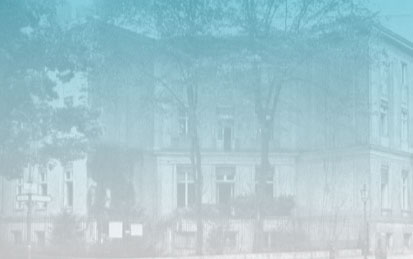
Founded by Magnus Hirschfeld, the ‘Institut für Sexualwissenschaft’ pioneered research and treatment for trans* and intersex individuals. Unfortunately, the establishment was constantly targeted under the Nazi rule of Germany, ultimately leading to the destruction of its archives.
1946
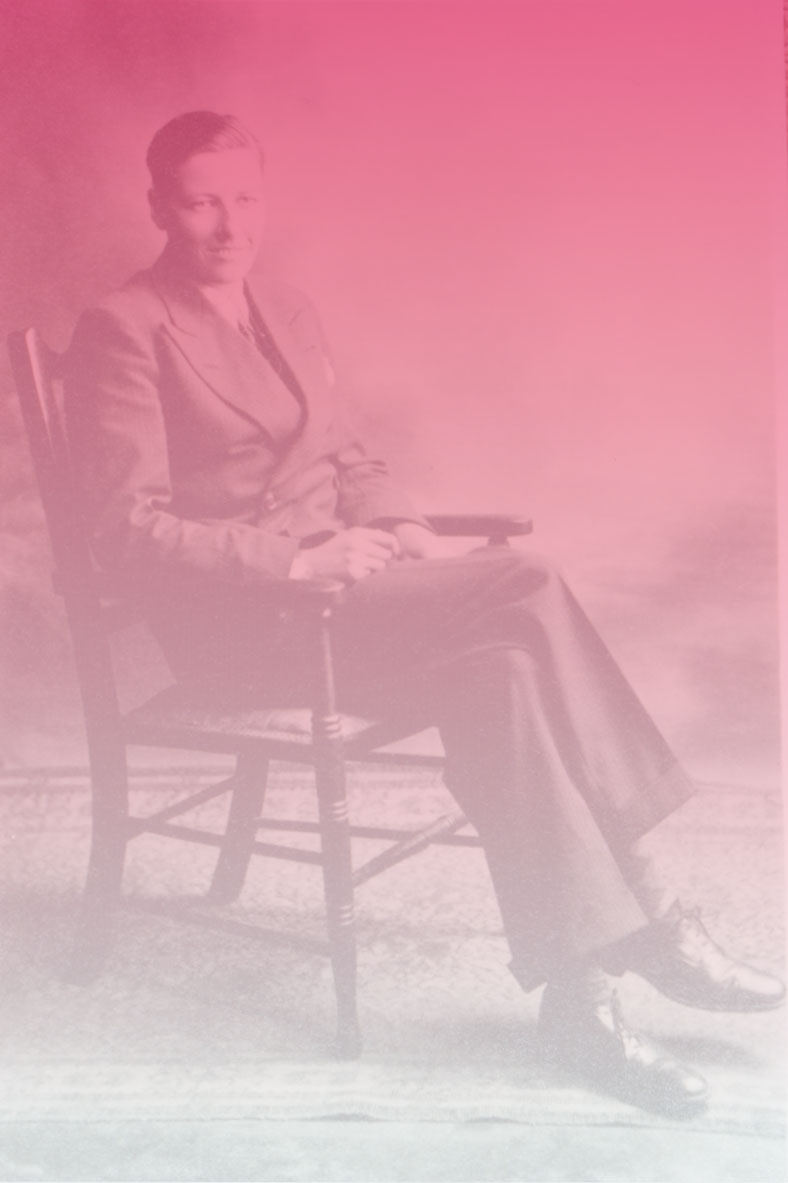
Laurence Michael Dillon published ‘Self : a study in ethics and endocrinology’ (1946), pioneering trans* medicine. He was also the first known FTM person to transition through hormones and surgery.
1969-1973
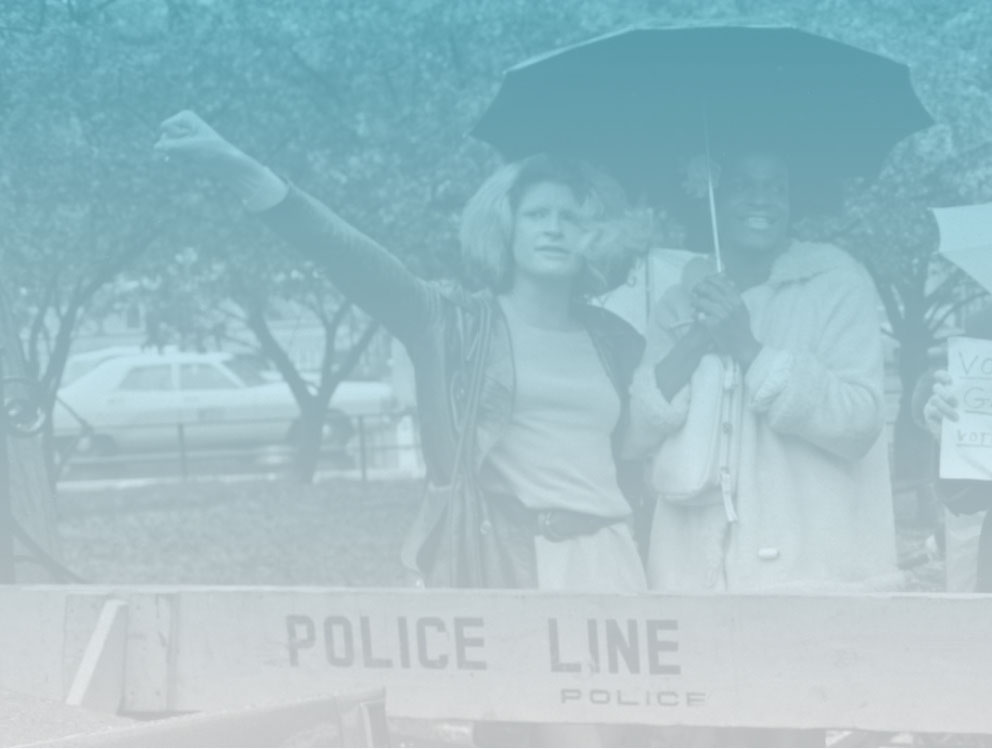
Following the Stonewall uprising, Street Transvestite Action Revolutionaries was founded in New York by Marsha P. Johnson and Sylvia Rivera. STAR was dedicated to providing housing and support to homeless LGBT youth and sex workers.
1970s-Present
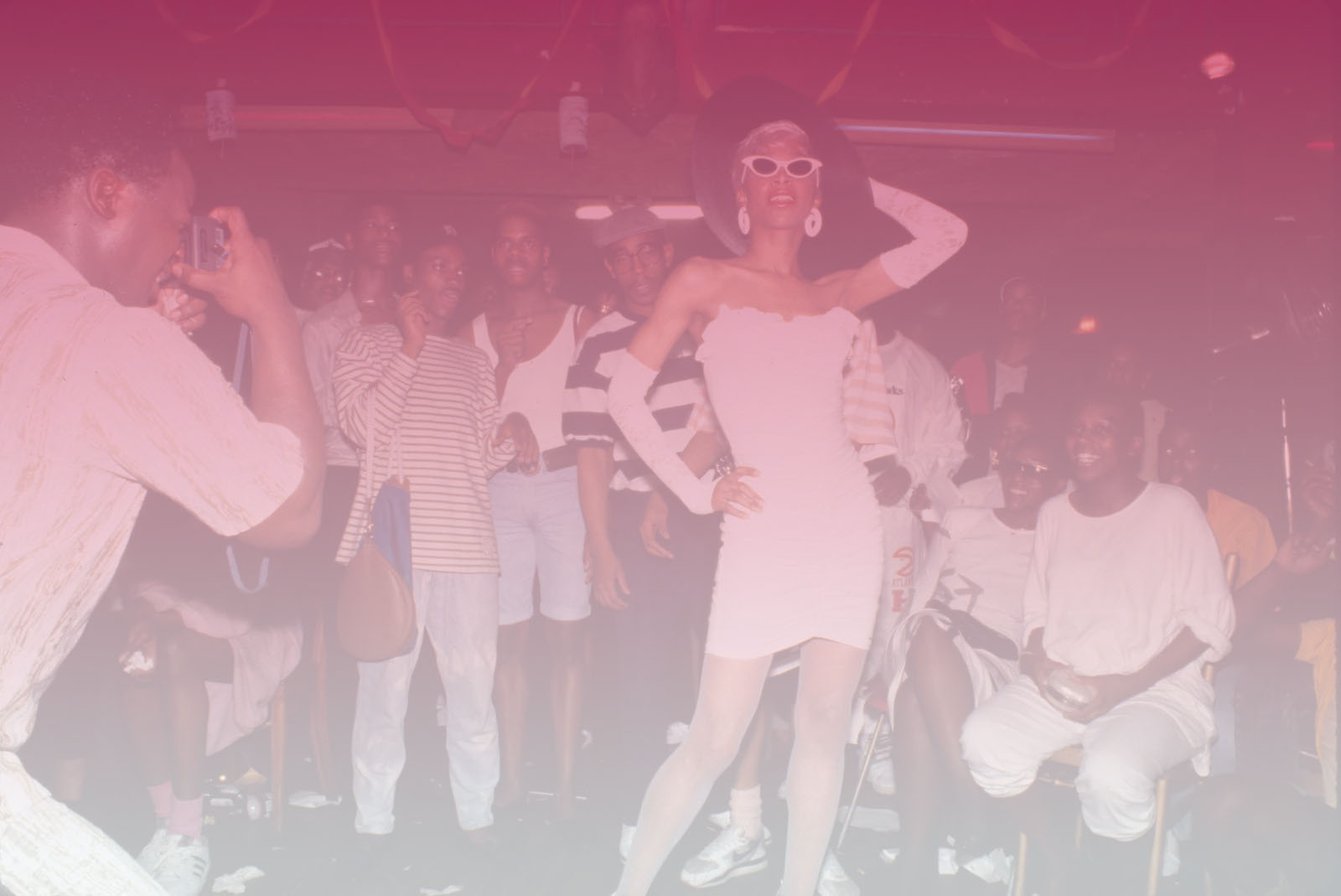
The ballroom culture of New York was sparked by trans* and queer POC as a space to participate in subversive gendered practices amongst exclusion and discrimination from elsewhere.
1999
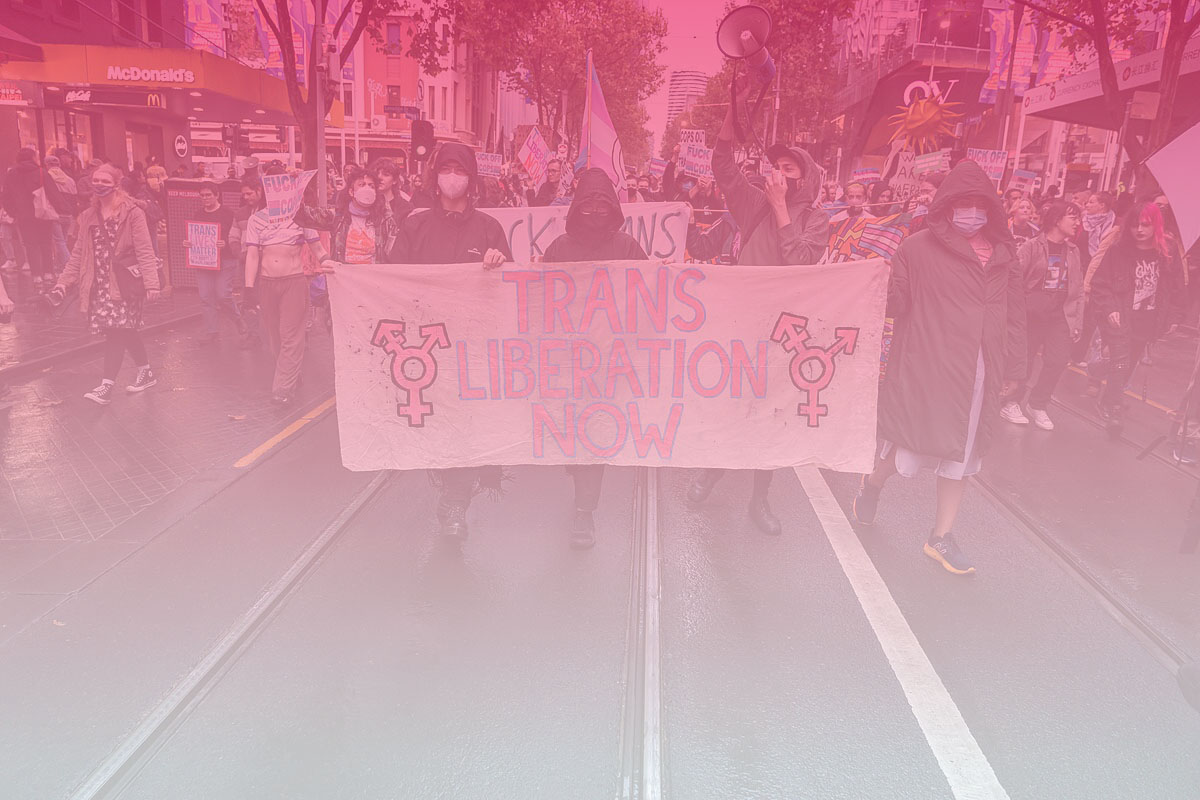
The Transgender Day of Remembrance was founded in 1999 by Gwendolyn Ann Smith to memorialize the murder of Rita Hester in Allston, Massachusetts. It has since been held annually on the 20th of November as an international day of action.
2009
The International Transgender Day of Visibility was founded by Rachel Crandall Crocker in 2009 as a reaction to the lack of LGBT holidays celebrating transgender people.
Two-spirit is a term used to describe people within indigenous North American communities who are thought to embody both a male spirit and a female spirit. European and European American colonization involved the suppression of Indigenous cultures, including the existence of two-spirit people.

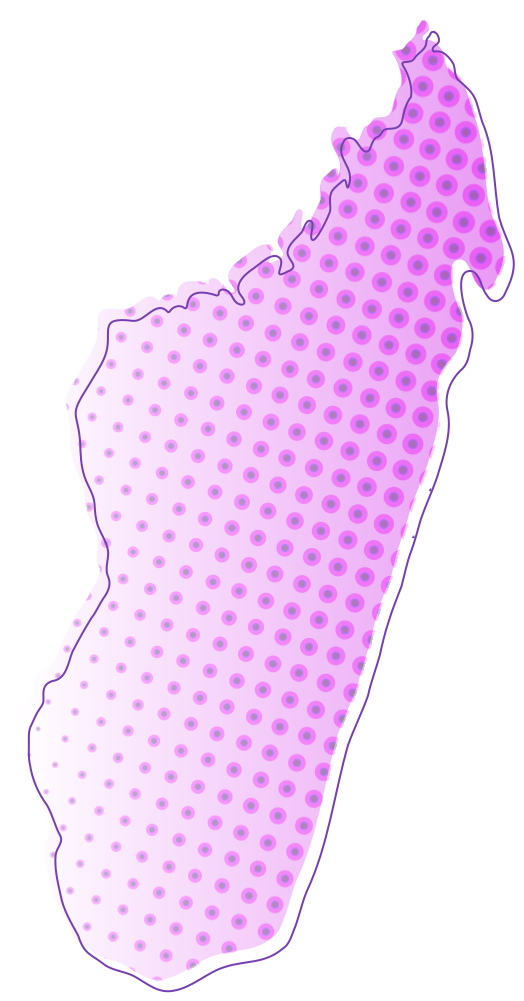
The Sakavala people, indigenous to Madagascar, recognise and widely accept a third gender which they call sekrata. Sekrata people are widely accepted within Sakalava society and are viewed as both sacred and protected by supernatural powers.
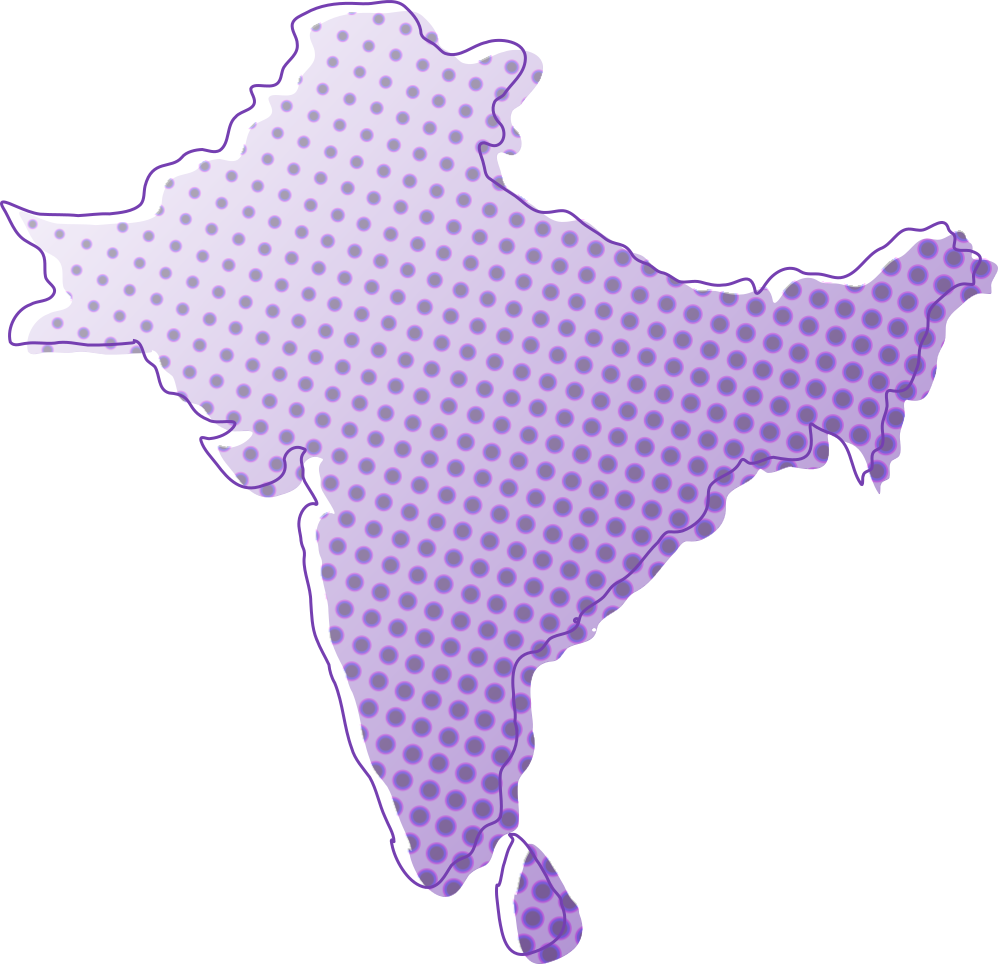
Throughout the Indian subcontinent, hijras are not considered completely male nor female. Despite being legally recognised as a third gender, hijras have faced stigmatisation as a result of British colonial rule.