By Willow Abbate-Thompson
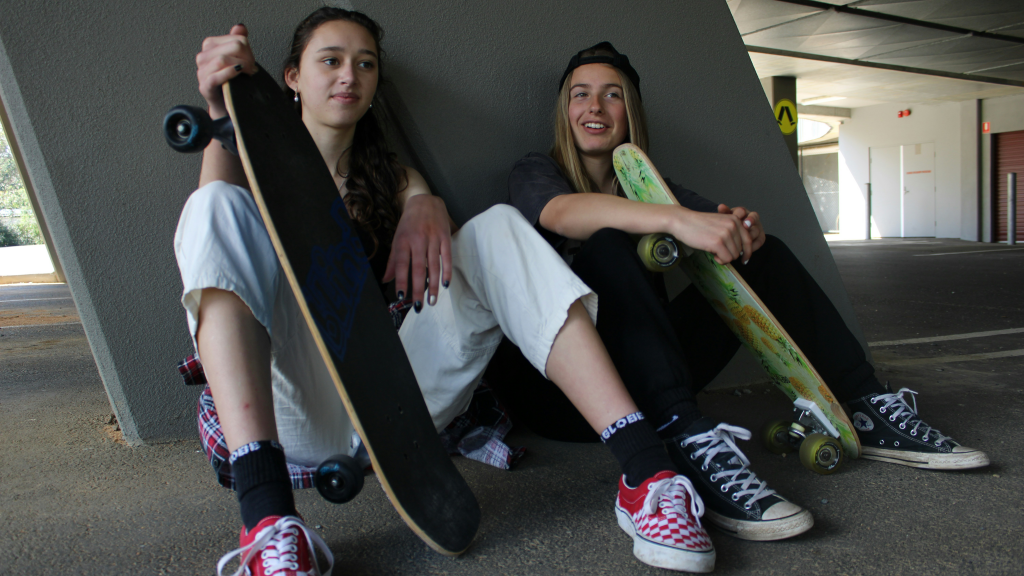
Southwark London council meeting insinuates a strong call to action – to recognise gender segregation in parks and the importance of play, as a problem that can be solved.
At an environment, community safety and engagement council meeting held in Camberwell, the Southwark council invited guests from the charities ‘Make Space for Girls’ and ‘London Play’ to discuss ideas on how to make public spaces safer and more inclusive for young people, especially teenage girls.
Guest speakers Nadine Peters and Imogen Clark, representing ‘Make space for girls’, a charity that supports young girls, explained how teenage girls feel unsafe and excluded in skate parks and other outdoor social spaces, as they are ‘mostly dominated by boys’.
“There’s not much to do,” said one Year 9 girl who agreed to be interviewed, “it’s all for younger kids- and boys own the space a lot more”
Peters and Clark explained how gender segregation continues to influence the use of parks and play areas. A successful example from Switzerland was shared, where the first park designed specifically by and for teenage girls was created. Through workshops with MSFG, girls shared ideas for activities and layouts that made them feel comfortable, respected and included.
Another guest speaker, Fiona Sutherland, director of the charity ‘London Play’, explained the importance of play for young people as it is essential for the mental and physical health of the growing mind. Sutherland presented a statistic that one in four children in London live in an overcrowded home. She emphasises that access to public play is more vital than ever.
Southwark council received praise from the charities for taking play more seriously than other London Boroughs, but also stated they need to consider that councils must design playgrounds that reflect the demographics and needs of children and teenagers.


